Childers & McCain
Georgia Dog Bite Injury Lawyers Who Know What These Cases Are Actually Worth
Dog attacks leave more than physical wounds. If you or your child was bitten or injured by someone else's dog in Georgia, you may have a valid claim — and the path to compensation is more straightforward than most people realize. At Childers & McCain, we help injury victims in Macon and across Georgia understand their rights and pursue every dollar the law allows.
What Georgia Law Says About Dog Bite Liability
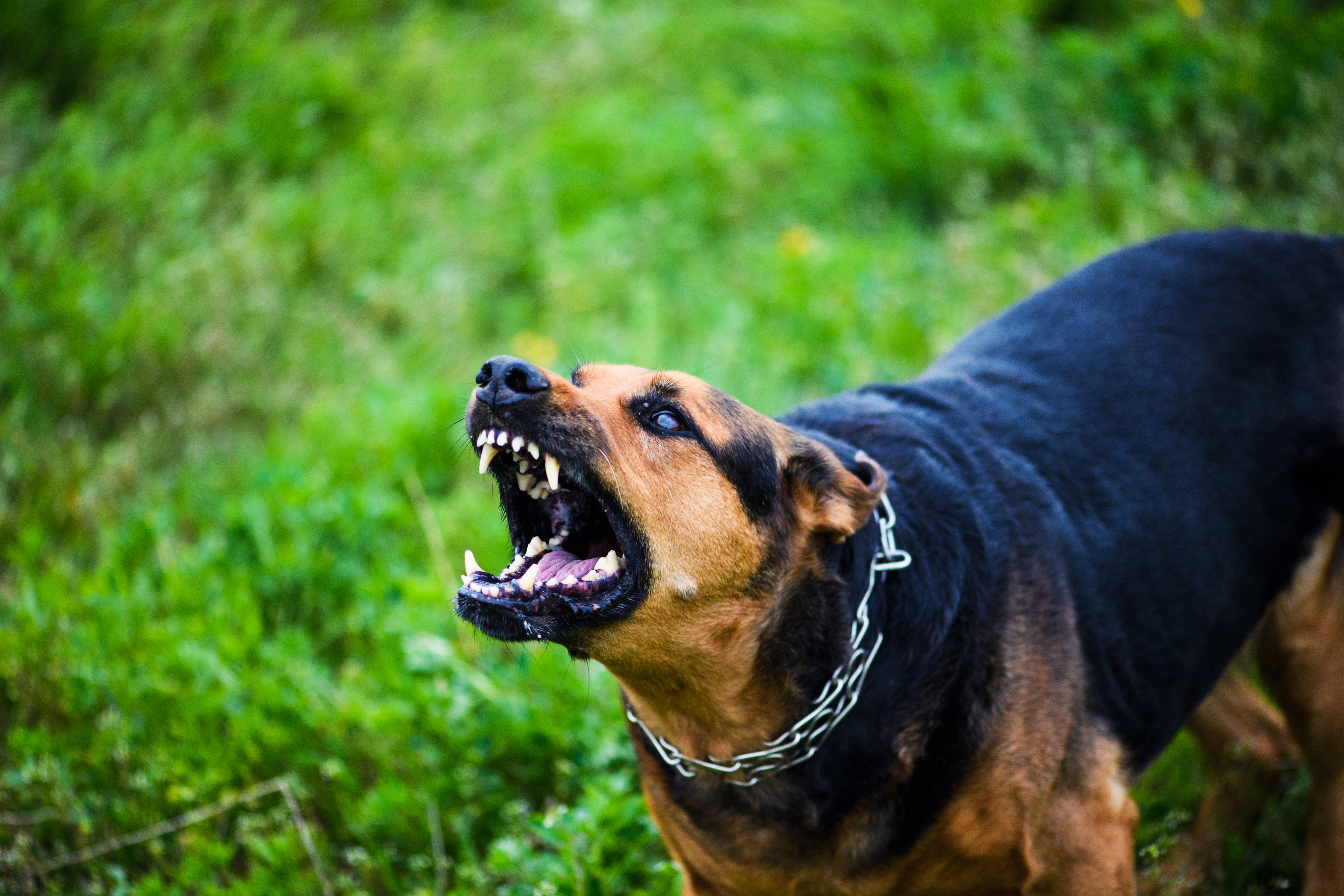
Georgia's dog bite law is built around a principle of known danger. Under O.C.G.A. § 51-2-7, a dog owner can be held liable when they knew — or should have known — that their dog had a history of aggressive or vicious behavior, and they failed to take reasonable steps to prevent an attack. This is commonly called the "one bite rule," though the reality is more nuanced: prior biting isn't required. A dog that has snapped, lunged, or shown aggression toward people can establish the owner's knowledge of viciousness even without a documented bite on record.
Liability can also arise when a dog is running at large in violation of a local leash law or ordinance. In those situations, proof of the owner's prior knowledge of viciousness may not be required at all — the ordinance violation itself becomes a basis for liability. Georgia communities including Macon and Bibb County have local animal control ordinances that factor directly into these cases.
Who Pays in a Dog Bite Case
In most dog bite claims, the responsible party's homeowner's or renter's insurance policy is the primary source of compensation. Most standard policies include personal liability coverage that extends to dog attacks — meaning you aren't necessarily suing an individual out of pocket. You're making a claim against their insurance carrier. We handle all communication with the insurance company on your behalf and push back when adjusters undervalue what a serious bite injury is worth.
Why Children Are Especially Vulnerable
Children account for a disproportionate share of serious dog bite injuries, and the consequences tend to be more severe. A dog's jaws can cause wounds that represent a far larger portion of a child's body surface area than the same injury would on an adult. Bites to the face, neck, and head are common in young children simply because of their height relative to most dogs. Beyond the physical injuries, children who survive serious dog attacks frequently experience lasting psychological trauma — fear of animals, sleep disturbances, anxiety, and post-traumatic stress that can follow them for years. When a child is the victim, we build the case to reflect the full scope of what they've endured and what they may face ahead.
The Injuries Dog Attacks Cause
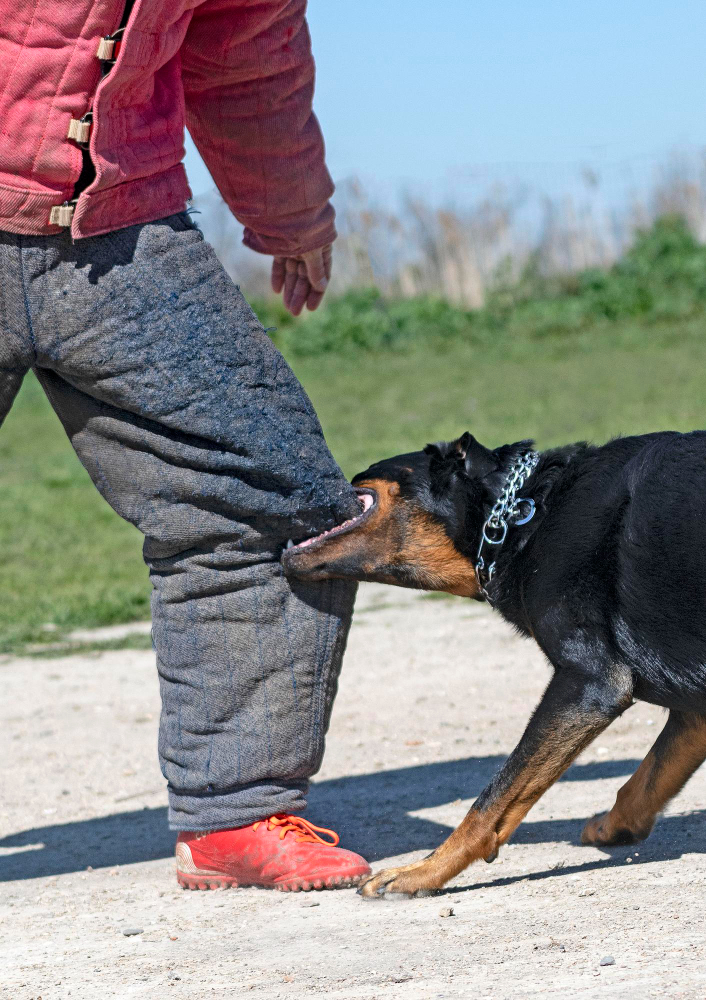
Dog bite injuries range from puncture wounds and lacerations to crush injuries, nerve damage, and permanent scarring. Attacks involving large or powerful breeds can result in broken bones, tendon damage, and injuries requiring reconstructive surgery. Facial scarring — particularly in children — carries long-term emotional and psychological consequences that deserve to be part of any damages claim. Infection is also a serious concern: animal bites carry a significant risk of bacterial infection, including Pasteurella, MRSA, and in rare cases, rabies exposure requiring post-exposure prophylaxis.

The Injuries Dog Attacks Cause
Dog bite injuries range from puncture wounds and lacerations to crush injuries, nerve damage, and permanent scarring. Attacks involving large or powerful breeds can result in broken bones, tendon damage, and injuries requiring reconstructive surgery. Facial scarring — particularly in children — carries long-term emotional and psychological consequences that deserve to be part of any damages claim. Infection is also a serious concern: animal bites carry a significant risk of bacterial infection, including Pasteurella, MRSA, and in rare cases, rabies exposure requiring post-exposure prophylaxis.
What Damages You Can Recover
A well-built dog bite claim accounts for the full picture of harm — not just the emergency room bill. Recoverable damages in a Georgia dog bite case typically include:
- Medical expenses: emergency care, surgery, wound care, reconstructive procedures, and future treatment
- Lost income during recovery, including time missed for follow-up appointments
- Permanent scarring and disfigurement, valued as a standalone category of harm
- Pain and suffering, both physical and emotional
- Psychological trauma and mental health treatment, particularly relevant for child victims
- Loss of enjoyment of life when injuries affect daily activities long-term
Insurance adjusters routinely make early offers that fail to account for ongoing treatment, future scarring revision, or psychological harm. We don't settle until we understand the full trajectory of your recovery.
How We Build a Dog Bite Case in Georgia
Establishing liability under Georgia's dog bite law requires evidence — and gathering it takes speed. We investigate the dog's history of aggression, including prior complaints with animal control, neighbor accounts, and any documented incidents the owner may have been aware of. We obtain applicable local ordinances and confirm whether leash law violations apply. We work with medical providers to document the full scope of your injuries and, where appropriate, consult with specialists on scarring, psychological impact, and long-term prognosis. Every element of your damages is built into the claim from the start — not added as an afterthought when the insurer pushes back.
Dog Bite Injury Questions — Answered
What is the dog bite law in Georgia?
Georgia follows O.C.G.A. § 51-2-7, which holds dog owners liable when they knew or should have known their dog was dangerous and failed to take reasonable precautions. Prior knowledge of viciousness can be established through a history of snapping, lunging, or aggressive behavior — not just a prior bite. When a leash law violation is involved, liability may exist even without proving prior knowledge.Can I sue someone if their dog bit me in Georgia?
Yes. If the owner knew the dog had aggressive tendencies, or if the dog was running loose in violation of a local ordinance, you may have a valid claim. Most dog bite cases in Georgia are resolved through the owner's homeowner's or renter's insurance policy — not through a personal lawsuit against the individual.What damages can I recover from a dog bite in Georgia?
Recoverable damages include medical expenses, lost wages, pain and suffering, permanent scarring or disfigurement, psychological trauma, and loss of enjoyment of life. For serious injuries or child victims, the damages picture extends well beyond initial treatment costs and must be built to reflect long-term impact.What if the dog has never bitten anyone before?
A prior bite isn't required to establish liability. If the dog had shown aggressive behavior — growling, snapping, lunging — and the owner was aware of it, that knowledge can be sufficient. A leash law violation is a separate and independent basis for liability that doesn't require any prior incident.How long do I have to file a dog bite claim in Georgia?
Georgia's statute of limitations for personal injury claims is generally two years from the date of the injury. For claims involving an injured child, the timeline may differ. Do not assume you have time to wait — evidence of the dog's prior behavior can disappear, and early investigation strengthens your case significantly.
Talk to a Georgia Dog Bite Attorney Today
If you or your child was attacked by a dog, you deserve to know exactly where you stand. We offer a free, no-pressure consultation to review what happened, explain your rights under Georgia law, and tell you honestly whether we can help. There's no fee unless we win.