Childers & McCain
Georgia Boat Accident Lawyer — Holding Negligent Operators Accountable on the Water
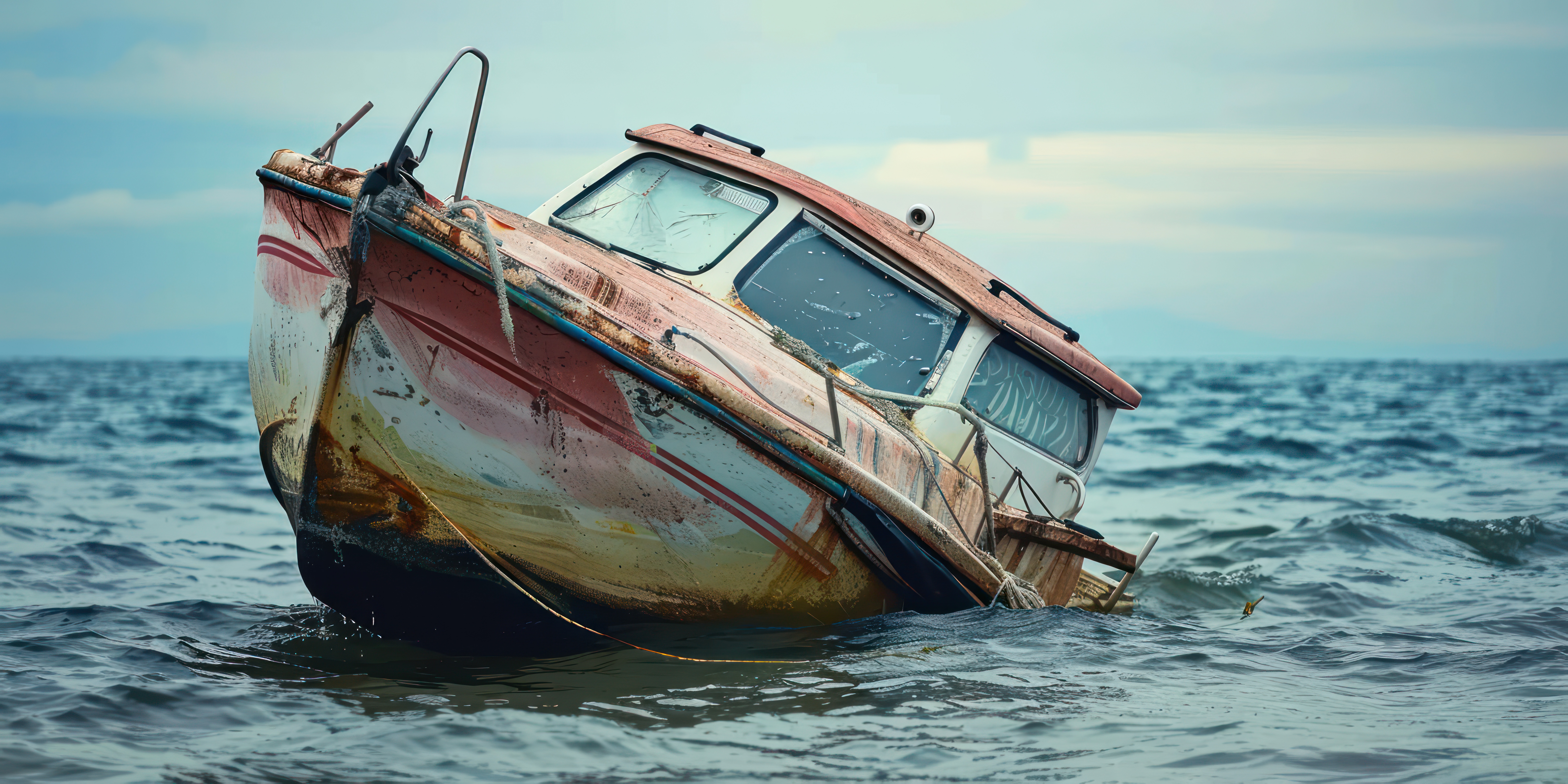
When a day on the water ends in a collision, capsizing, or serious injury, the legal questions come fast. Who is responsible? Does Georgia law apply, or federal maritime law? What if the operator was drinking? At Childers & McCain, we represent boating accident victims across Georgia — from Lake Tobesofkee and Lake Oconee to the coastal waterways near Savannah. Our attorneys know how to investigate these cases, identify every liable party, and build the kind of claim that produces real results.
Georgia's Boating Laws and What Negligence Means on the Water
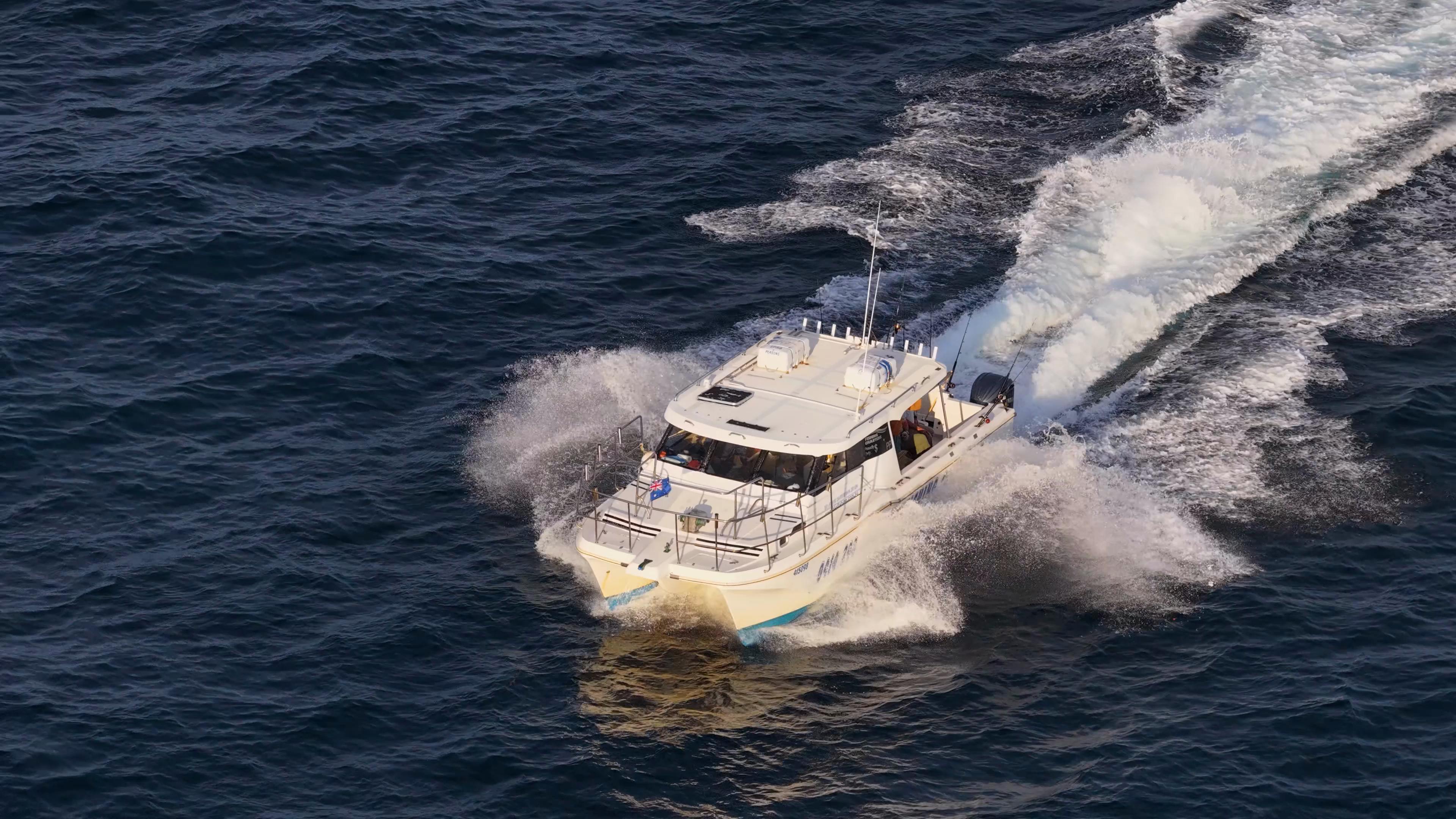
Georgia law holds vessel operators to a duty of reasonable care — the same foundational standard that governs drivers on public roads. When an operator fails to maintain a proper lookout, operates at an unsafe speed, ignores right-of-way rules, or takes the helm while impaired, that failure can form the basis of a personal injury claim. Georgia's boating statutes are enforced by the Department of Natural Resources, and violations of those statutes are powerful evidence of negligence in civil litigation.
What constitutes negligence in a Georgia boating accident case often includes:
- Operating a vessel at excessive speed for the conditions
- Failing to yield right-of-way to another vessel or swimmer
- Boating under the influence of alcohol or drugs (BUI)
- Overloading a vessel beyond its rated capacity
- Operating without required safety equipment on board
- Allowing an unlicensed or inexperienced operator to take control
- Reckless wake or maneuvering near docks, swimmers, or other boats
Boating Under the Influence — A Serious Liability
BUI is illegal under Georgia law and carries criminal penalties comparable to DUI on public roads. For a civil injury case, a BUI finding is significant: it establishes that the operator was impaired and operating in violation of the law, both of which support a negligence claim. When a boating accident involves alcohol or drugs, we pursue full accountability — including punitive damages where the conduct warrants it.
Federal Maritime Law and When It Applies
Not every boating accident is governed solely by Georgia law. When an accident occurs on a navigable waterway — a body of water capable of supporting interstate or foreign commerce — federal maritime law may apply alongside or instead of state law. This distinction affects the statute of limitations, the standard of care, and how damages are calculated. Georgia's coastal waterways and certain inland rivers can trigger federal jurisdiction. Getting this analysis right from the beginning of your case matters.
Who Can Be Held Liable After a Boat Accident
Liability in a boating accident case is not always limited to the operator. Depending on the circumstances, responsible parties may include:
- The vessel owner, if they permitted an unqualified or impaired operator to use the boat
- A boat rental company, if the vessel was improperly maintained or the renter was inadequately screened
- A marina or dock operator, if a hazardous condition contributed to the accident
- A manufacturer, if a defect in the vessel, engine, or safety equipment caused or worsened the injury
- A tour or charter company operating a commercial vessel
We investigate every angle of a case before drawing conclusions about liability — because the party most responsible is not always the most obvious one.
Lake Oconee, Lake Tobesofkee, and Georgia's Busy Waterways
Georgia's lakes and rivers see heavy recreational traffic throughout the warmer months, and with that traffic comes real risk. Lake Tobesofkee in Bibb County and Lake Oconee in the Piedmont region are among the most active boating destinations in the state — popular for fishing, watersports, and family recreation. Accidents on these lakes are more common than most people realize, and they often involve alcohol, inexperienced operators, or vessels in poor repair. We serve clients injured on Georgia's lakes, rivers, and coastal waterways statewide.
Why Families and Injury Victims Choose Childers & McCain
Christy Childers is the first woman in Georgia board certified in truck accident law by the National Board of Trial Advocacy — one of the first five women in the country to hold that designation. That credential reflects a level of preparation and case-building discipline that carries through every serious injury case we handle, including boating accidents. David McCain brings the same commitment: both attorneys personally try cases. We are not a settlement mill, and we do not hand serious cases off to paralegals.
Our clients are people who have been seriously hurt — or families who have lost someone. We take that responsibility seriously, and we build every case as if it is going to trial, because sometimes it has to.
Frequently Asked Questions — Georgia Boating Accident Claims
Who is liable for a boat accident in Georgia?
Liability depends on the facts of the accident. The vessel operator is most often the primary responsible party, but the owner, a rental company, a marina, or a manufacturer may also bear liability depending on what caused the accident. We investigate all potential sources of liability before any claim is filed.What are Georgia's boating laws for negligence?
Georgia law requires vessel operators to exercise ordinary care — operating at a safe speed, maintaining a proper lookout, following right-of-way rules, and keeping the vessel in safe condition. Violations of the Georgia Boat Safety Act can be used as evidence of negligence in a civil injury case.Can I file a personal injury claim after a boating accident in Georgia?
Yes, if another party's negligence caused your injury, you can file a personal injury claim. Georgia's standard statute of limitations is two years from the date of the accident, though the deadline may differ in cases governed by federal maritime law. An attorney can confirm which deadline applies to your case.Does federal maritime law apply to my boating accident?
It may. Federal maritime law applies when an accident occurs on a navigable waterway — one capable of supporting interstate or foreign commerce. This can include certain Georgia rivers and coastal waters. When maritime law applies, it affects the statute of limitations, available damages, and procedural rules. This is one of the first questions we evaluate in any boating accident case.What if the boat operator was drinking when the accident happened?
Boating under the influence is illegal under Georgia law and significantly strengthens a civil negligence claim. A BUI charge or conviction establishes that the operator was impaired and acting unlawfully. In cases involving serious injury or death, impaired operation may also support a claim for punitive damages.
Speak With a Georgia Boat Accident Lawyer Today
Boating accidents can produce life-changing injuries, and the window for preserving evidence is short. If you or someone in your family was hurt on Georgia's waterways, we are ready to help you understand your options and take action. Consultations are free, confidential, and available by phone at 478-254-2007.
We represent boating accident victims in Macon, Warner Robins, Atlanta, Savannah, Columbus, and across the state of Georgia. Spanish-language services are available.